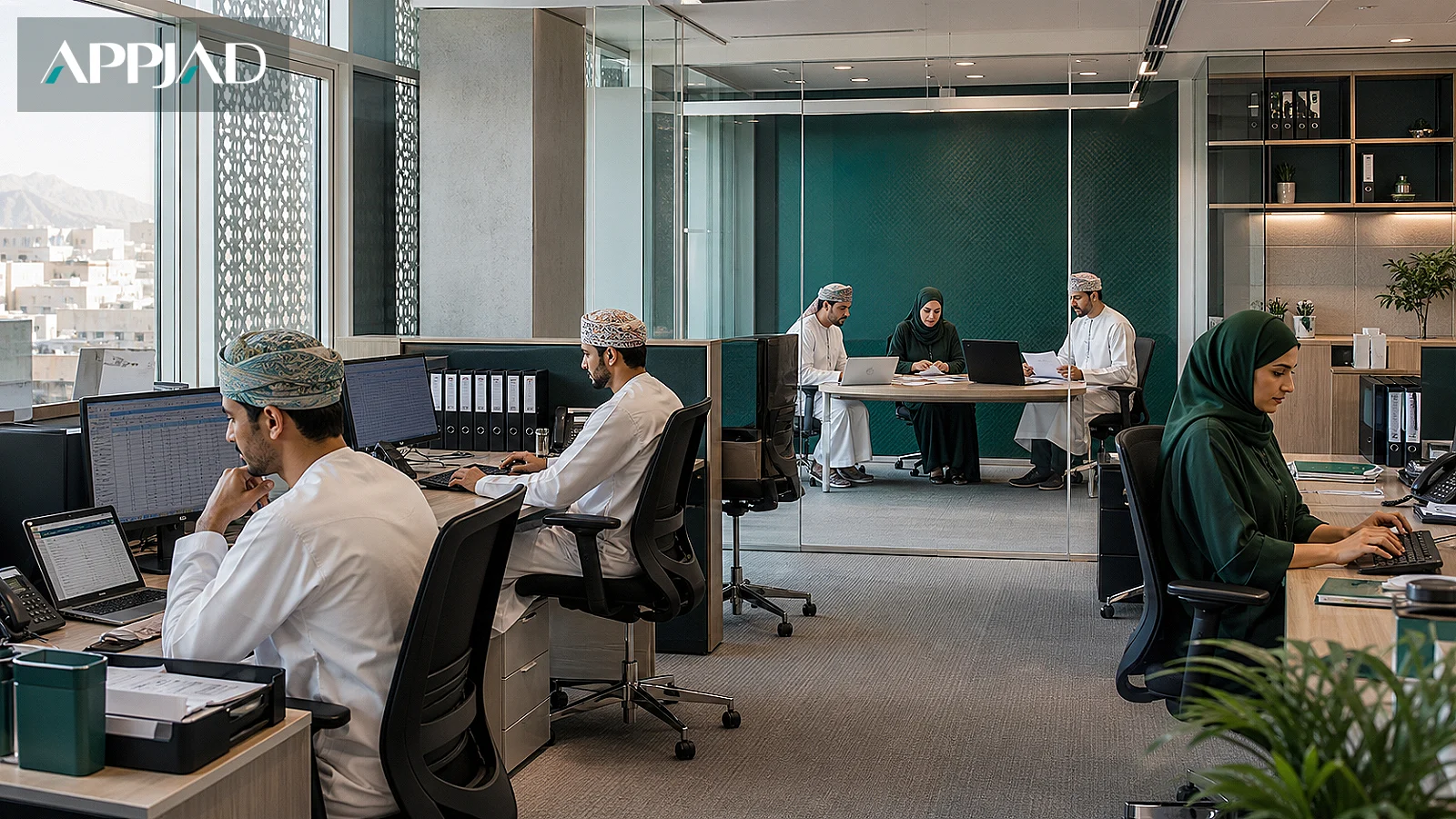
Most companies entering Gulf markets treat language as a translation task and culture as a training session. Both are operational decisions that shape how customers find you, trust you and return. This walkthrough sets out the stages an owner can run in order, from the first market review to a repeatable review cycle, with the checks that keep each stage honest. Appjad (أبجد) works with companies across the Gulf on exactly this kind of adaptation, and the sequence below reflects how that work is usually structured.
Key takeaways
- Treat language as an operating decision, not a translation line item.
- Map customer habits market by market before you standardise anything.
- Test the buying path in the customer's language and channel, not yours.
- Review what customers actually say every quarter and adjust.
Step one: define which markets you are actually serving
Owners often say "the Gulf" when they mean one city and one customer type. Start by writing down the specific markets you serve today and the ones you intend to serve within twelve months. For each, note the customer segments you already sell to and the language they use in daily business.
This matters because the Gulf is not one customer base. A company selling to government-linked buyers in Muscat faces different expectations from one selling to retail customers in Riyadh or to families in Kuwait. Appjad begins most Gulf engagements with this mapping because it determines everything downstream: which language the website leads with, which channels carry support, and which habits you must respect rather than change.
Output of this step: a one-page market map listing each market, its main customer segments, the working language for each, and the person inside your company who owns that market.
Step two: decide the language of each customer touchpoint
Language decisions are rarely "Arabic or English". In practice most Gulf companies operate bilingually, but the balance differs by touchpoint. A contract may be Arabic, a proposal English, a WhatsApp reply in whichever language the customer used first.
Work through your touchpoints one by one and decide the lead language for each:
- Website and product pages: which language loads first, and is the Arabic version written natively rather than translated?
- Sales conversations: who on the team can hold a full commercial conversation in Arabic, not just greet in it?
- Support channels: what happens when a customer writes in Arabic at 9pm?
- Invoices, contracts and formal documents: which language is legally expected in each market?
- Marketing content: are you producing original Arabic content or machine output that reads awkwardly?
The reasoning is simple: customers judge competence by how naturally you speak their language. A well-built bilingual website design that treats Arabic as a first language signals seriousness before a single sales call.
Step three: map customer habits before you standardise
Habits differ by market and by generation, and assuming one pattern across the region is where most expansion plans quietly fail. Before you standardise a process, observe how customers in each market actually behave.
Look at four habits in particular:
- Channel preference: which messaging app customers use to ask questions, confirm orders and complain.
- Decision timing: how long a buying decision takes and who else is consulted before it closes.
- Relationship expectations: whether customers expect a visit, a call or a written exchange before committing.
- Response expectations: what customers treat as a reasonable reply time, and what silence means to them.
Write these down per market and compare. Where habits differ, keep the process flexible rather than forcing one standard. Where they match, standardise and save effort. This is the stage where assumptions cost the most, so verify with your own sales team and with customers directly rather than relying on general commentary.
Step four: build the buying path in the customer's channel
Once you know the language and the habits, design the path a customer actually takes. In many Gulf markets that path starts in a messaging app, moves to a call or a meeting, and only then reaches a website or a formal quote.
Test your own path against that reality:
- Send a genuine enquiry in Arabic through the channel your customers use and time the response.
- Check whether the person who replies can answer commercial questions, not only route the message.
- Follow the enquiry through to a quote and see whether the documents match the language of the conversation.
- Ask a colleague unfamiliar with the account to complete the same path and note where they hesitate.
Most gaps appear at handoffs: a fast reply followed by a slow quote, or a warm conversation followed by a generic English email. A structured WhatsApp follow-up system closes many of these gaps, provided the people behind it are trained to continue the conversation rather than restart it.
Customers do not judge you by the market you intended to serve, but by the language and pace of the conversation they actually had.
Step five: prepare the team, not just the materials
Materials are the easy part. The harder work is preparing the people who speak to customers. Assign each market a named owner who understands its habits and can answer for results.
Then run a short internal programme:
- Brief the sales team on the market map and the language decisions for each touchpoint.
- Agree what a good reply looks like in each language, with two or three written examples.
- Set a response standard per channel and review it weekly for the first month.
- Give the team a route to escalate questions they cannot answer, so customers are not left waiting.
Appjad builds this into delivery stages so the team is trained before launch rather than after. The point is that a customer's impression is formed by the individual who answers, not by the brand document behind them.
Step six: review what customers actually say
Adaptation is not a one-time project. Set a quarterly review in which you read real conversations, complaints and questions, and adjust the language, the channel mix and the response standards accordingly.
Keep the review narrow and useful: which questions repeat, which language customers switch into mid-conversation, where replies slow down, and which markets generate the most follow-up. Feed the findings back into the market map from step one, and the cycle restarts with better information each time. Companies that run this loop steadily outperform those that treat Gulf adaptation as a launch checklist. For a deeper look at the conversation side, see building a Gulf conversation playbook.
Frequently asked questions
Do we need a full Arabic website if our customers speak English at work?
Often the buying conversation happens in English while the decision-maker reads Arabic content at home. A bilingual site with genuinely native Arabic usually earns more trust than an English-only site, even when the day-to-day dealings are in English.
Should we use one process across all Gulf markets?
Standardise where habits genuinely match and keep flexibility where they differ, particularly around response times and channel preference. Forcing one process across markets usually shows up as slow replies in the market that works differently.
How quickly should we expect to see results from this work?
Response standards and language fixes show up in customer feedback within weeks, while habit-based changes take a full quarter to judge. Review real conversations rather than dashboards, and adjust before adding new channels.
Next step: run the market map this month
Start with step one and produce the one-page market map for the markets you serve today. It costs a morning and exposes most of the gaps before they reach a customer. If you would rather run the full walkthrough with support, شركة أبجد can map your markets, design the bilingual touchpoints and train the team that answers customers. Contact Appjad to begin with a short diagnostic.